
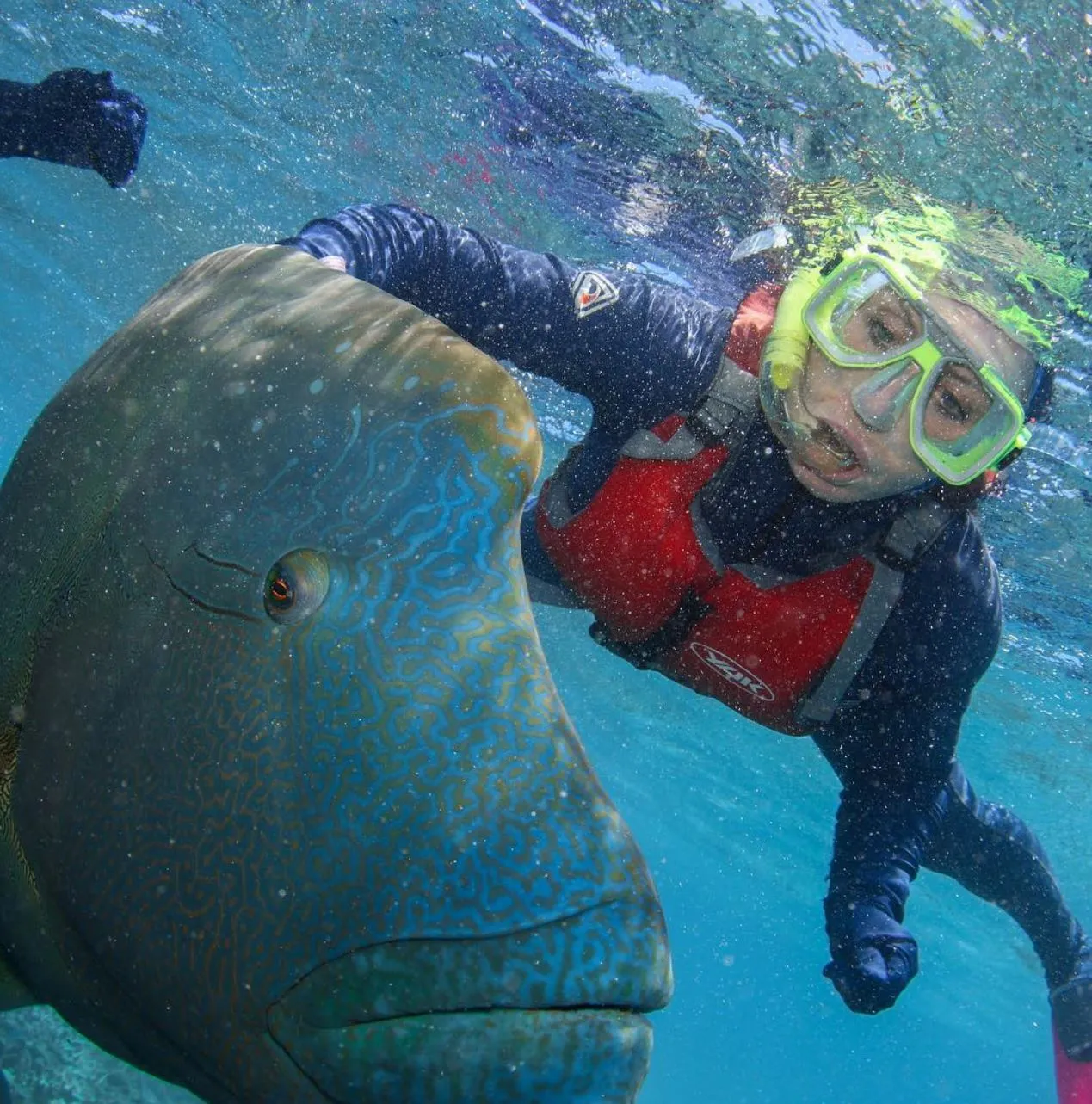
Most travellers who ask what equipment you need for snorkelling on the Great Barrier Reef aren’t just chasing a packing list — they want to rock up confident, comfy, and croc-wise, ready for a proper yarn with the reef rather than a battle with foggy masks or flappy fins. Out on the Outer Reef, where coral gardens, sea turtles, and all sorts of fascinating fish species cruise past like locals at the Cairns Waterfront, having the right snorkel gear makes the difference between a smooth swim and a frustrating flop.
Exploring Coral Gardens Up Close
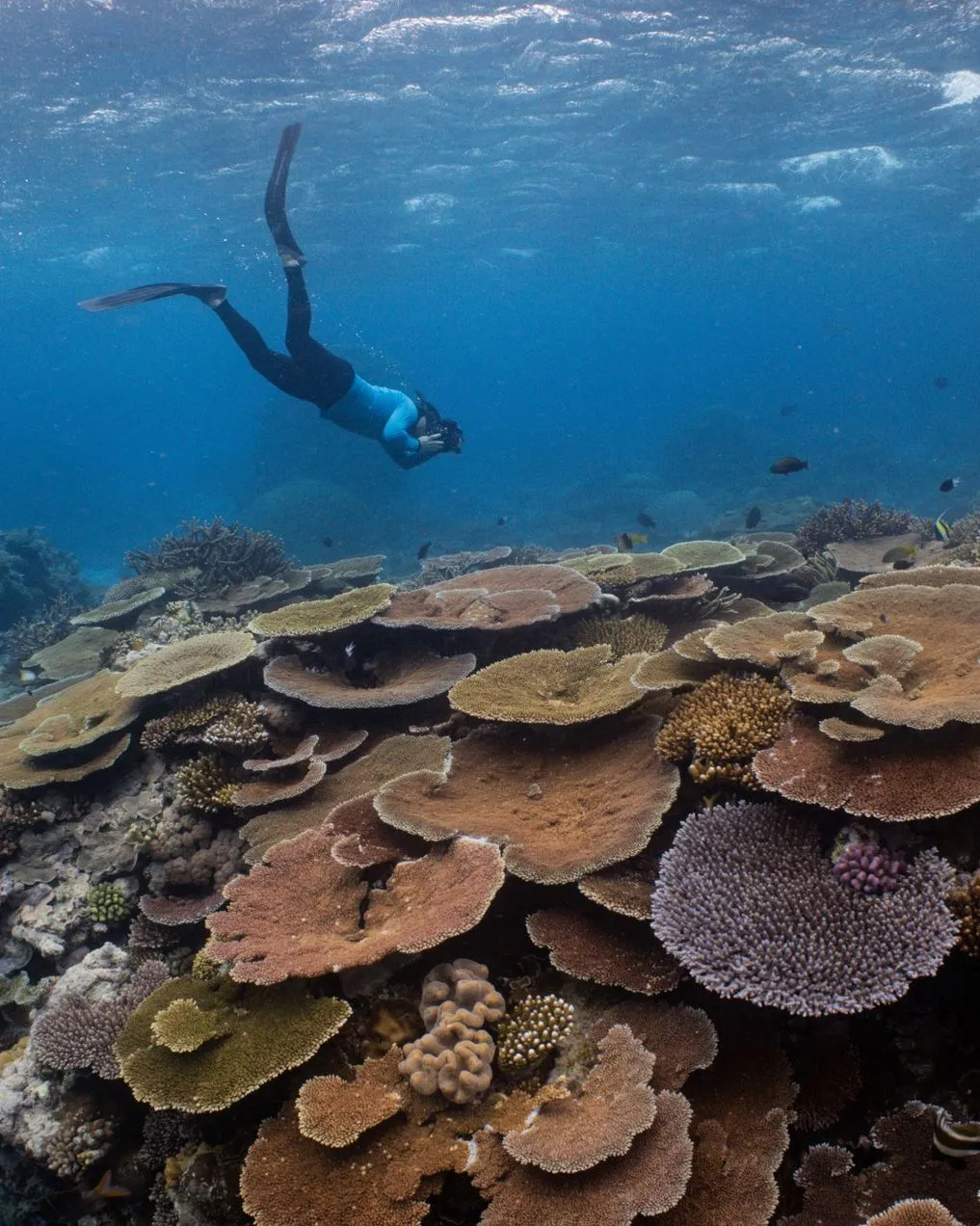
Is a special kind of magic — drifting over bommies alive with marine creatures and watching the entire marine ecosystem shift and shimmer under you — but conditions change across North Queensland, from Hastings Reef offshore to Green Island and Fitzroy Island closer in. The kit you bring can transform your experience on any offshore reef site, whether you’re on a full-day reef tour, joining Cairns Diving locals, or kicking off an Easter in Cairns escape.
The Essentials You Don’t Want To Skimp On
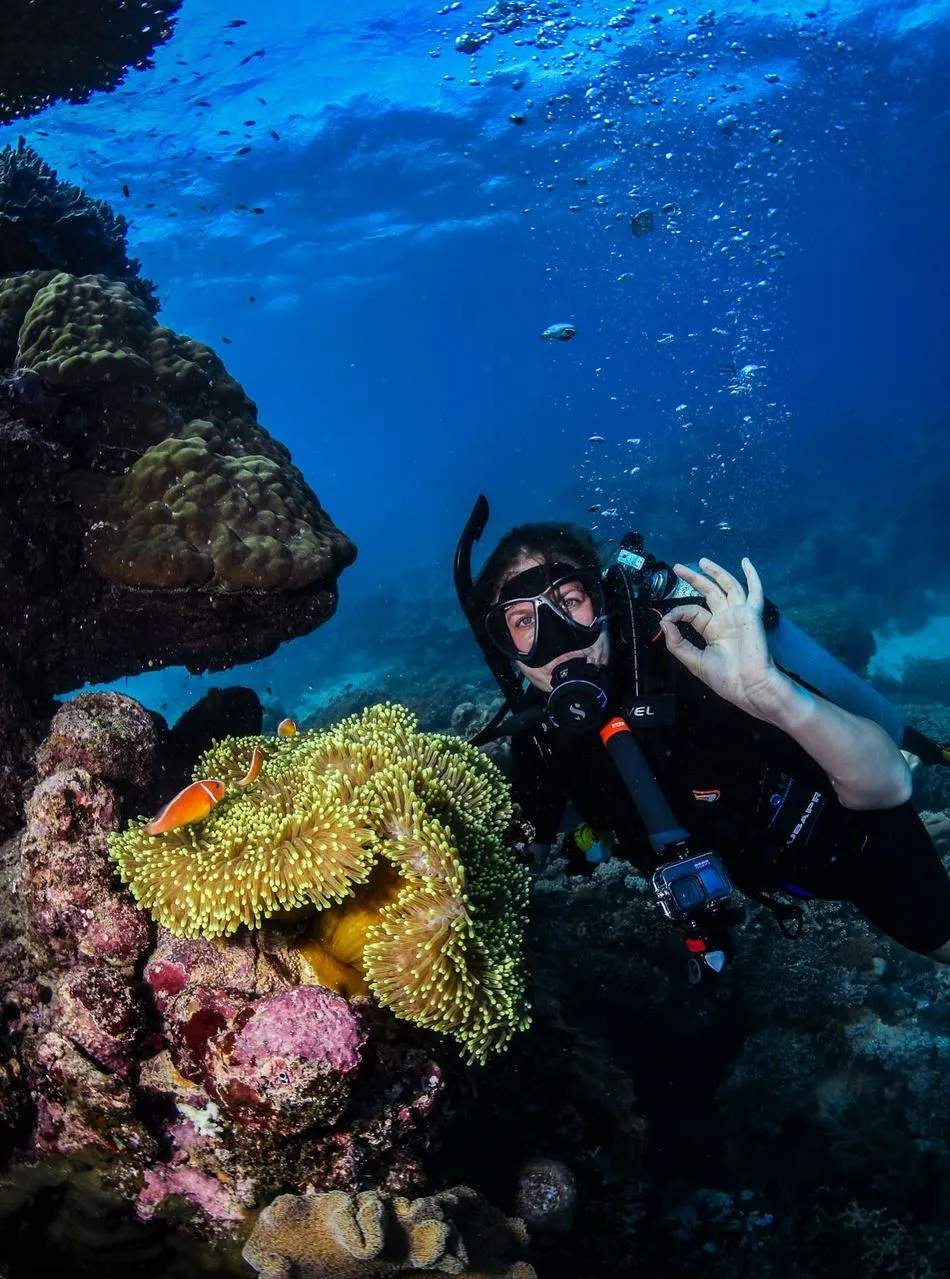
You’ll find plenty of opinions online about snorkelling gear, but out here, the kit that counts is the stuff that seals properly, fits your body, and won’t fall apart halfway across a bommie. Think of this section as your no-nonsense rundown — the gear that earns its keep every single time.
Even though Great Barrier Reef Tours supply most core items, bringing well-fitted equipment is worth it when you’re exploring iconic dive sites like Heron Island, Shark Bay, and Wistari Reefs, where you’ll often find clearer water, healthier coral, and denser marine life.
Mask And Snorkel That Actually Fit Your Face
A mask isn’t just plastic and silicone — it’s your window to the reef. A leaky one turns magic into misery, whether you’re exploring shallow coral gardens or cruising above deep walls in the Coral Sea. Avoid generic pool masks; choose tempered glass and soft silicone skirts.
A few practical notes:
- Prescription lens masks are a lifesaver if you need corrective lenses.
- Too-tight straps actually cause leaks.
- Clear silicone helps with visibility, especially for first-timers receiving snorkelling instruction.
Fins That Help You Glide, Not Fight
On calm mornings out at Hastings Reef or Heron Island, fins help you cruise effortlessly over bommies filled with marine animals. Longer fins give more power, but mid-length blades are easier for beginners on a boat trip or a casual snorkel tour.
Look for:
- Closed-heel fins for warmth
- Adjustable straps for comfort
- Balanced blades for exploring varied reef ecology
Snorkel Options: Simple Is Best
Avoid gimmicks — especially overly complex snorkels that jam up just as a turtle drifts by. A simple purge-valve snorkel is reliable whether you’re drifting off Fitzroy Island or exploring an offshore reef site on a calm day.
What You Wear Matters More Than You Think
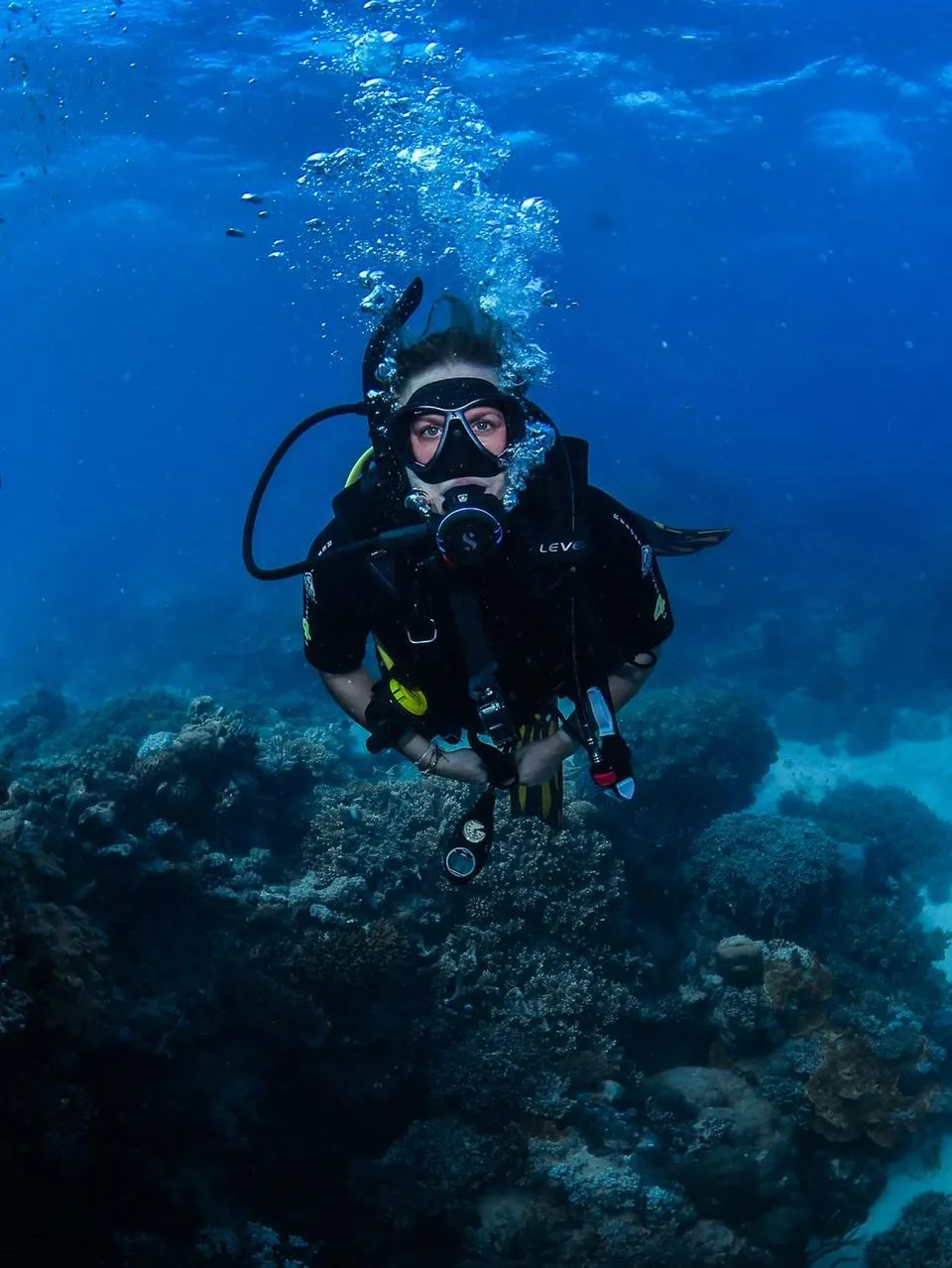
Snorkelling outfits aren’t about fashion — they’re about safety, warmth, and comfort in a marine environment where UV protection and stinger safety really matter.
Stinger Suit Or Wetsuit, Depending On The Season
From November to May, stinger suits or Lycra suits aren’t optional across North Queensland. They protect against Irukandji jellyfish and also add a touch of UV protection. Most reef operators provide them, but your own lightweight Lycra suit often fits better.
In winter, a 3mm wetsuit helps you stay comfortable during long swims, especially on deeper outer reef sites.
Rash Vest And Board Shorts For Quick Dips
If you’re sticking close to Green Island or Fitzroy Island, a rash vest can be enough. Just remember, the sun here is unforgiving — reef-safe sunscreen is essential. Apply it well before swimming, or it will wash straight off and leave you exposed.
Add-On Gear That Levels Up Your Underwater Trip
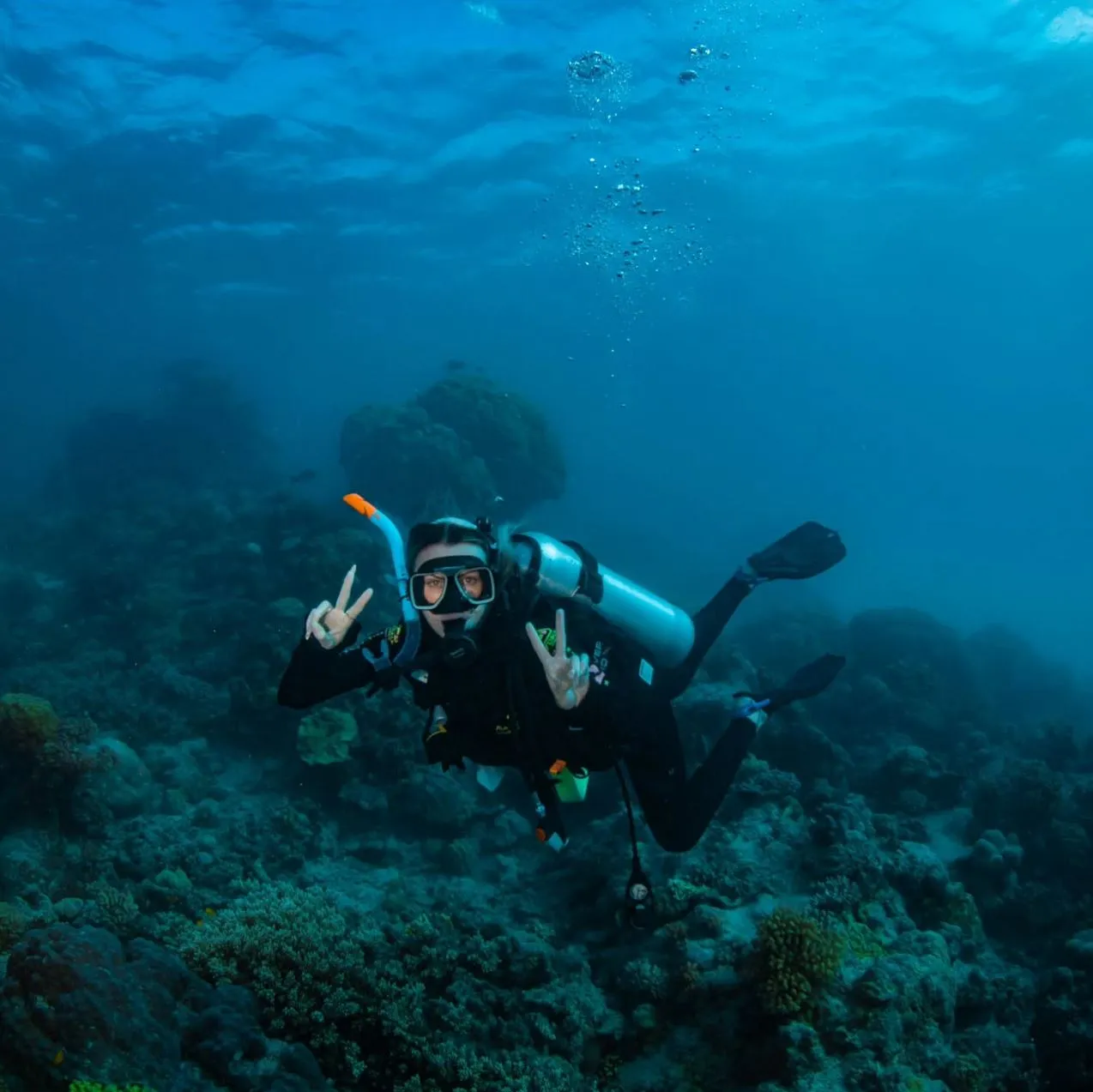
This is the stuff that turns a “pretty good” day into a “you wouldn’t believe what I saw” day.
Anti-Fog Solutions
Spit works, but a proper anti-fog solution is worth it — especially if you’re hopping between snorkel sites or switching between snorkelling and scuba diving experiences like the PADI Open Water Course or Reef Encounter SSI sessions.
Reef-Safe Sunscreen
Chemical sunscreens damage coral. Reef-safe sunscreen helps protect the marine environment and keeps you comfortable during a full-day reef tour.
Underwater Camera Or Rental Options
Capturing marine life is addictive — and easy thanks to Digital Underwater Camera systems and Underwater Camera Hire options offered by many operators. If you want crisp, high-resolution images, get a camera with good stabilisation and bring a floating wrist strap.
Floatation Noodles Or Buoyancy Vests
Great Barrier Reef Tours provide these, but bringing your own small buoyancy vest can help if you like long, relaxed swims through coral gardens full of marine creatures.
Reusable Water Bottle
You’ll want a reusable water bottle to stay hydrated, especially on a hot North Queensland day. Some operators discourage disposables for environmental reasons.
A Quick Comparison Table
Here’s a simple breakdown you can refer to while packing or booking your gear. All costs are approximate and can vary by season (prices last checked January 2025).
| Item | Purpose | Provided On Tours? | Recommended For | Approx. Cost (AUD) |
|---|---|---|---|---|
| Mask & Snorkel | Vision & breathing | Yes | Everyone | $40–$120 |
| Fins | Efficient swimming | Yes | All skill levels | $40–$150 |
| Stinger Suit | Jellyfish protection | Yes (summer) | All travellers | $20–$50 hire |
| Wetsuit | Warmth | Yes (winter) | Cold-sensitive snorkellers | $100–$250 |
| Reef-Safe Sunscreen | UV protection | No | Everyone | $20–$35 |
| Anti-Fog | Clear mask | Sometimes | All travellers | $10–$20 |
| Underwater Camera | Photos | No | Photo-loving travellers | $300–$700 |
| Floatation Vest | Buoyancy | Yes | Beginners | Included |
Local Conditions That Affect Your Gear Choices
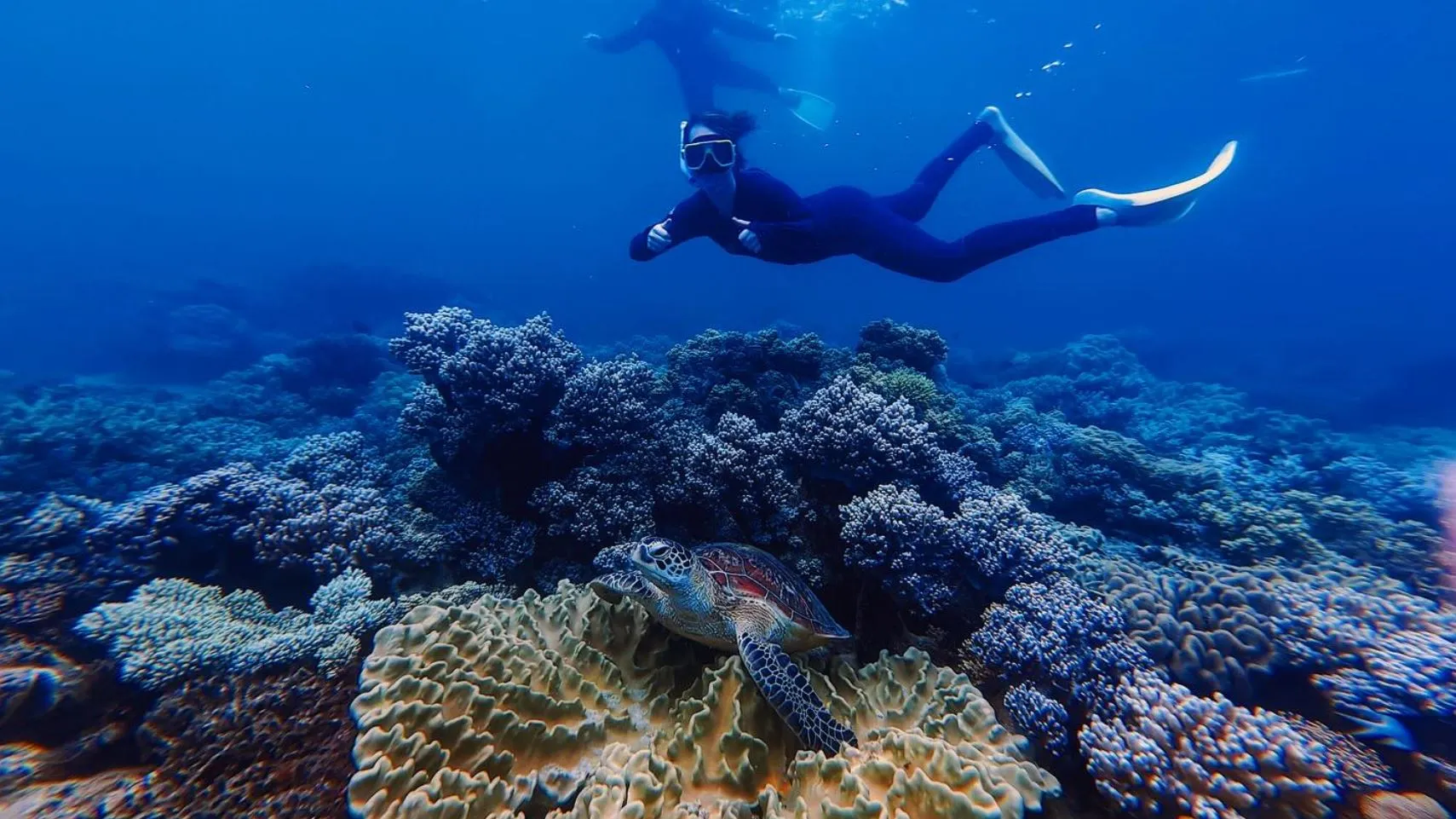
The Great Barrier Reef stretches across 2,300 kilometres, so conditions shift massively between Cairns, the Whitsundays, and Lady Elliot Island. A wetsuit that’s perfect at Agincourt Reef in July might feel like overkill at Michaelmas Cay in December.
Here’s what you need to know:
- The dry season (May–October) brings cooler water, stronger SE trade winds, and choppier surface conditions.
- The wet season (November–April) warms the water, flattens the seas, and ushers in marine stinger season.
- Visibility can swing between 10–30 metres depending on tides, rain, and plankton blooms.
If you’re joining a Great Barrier Reef Tours day trip, the crew will give you a briefing on conditions. They’ll also recommend suits based on water temperature and stinger risk — and believe me, they’ve heard every question under the sun, so ask away.
Handy Hacks From A Bloke Who’s Seen It All
Here’s the stuff I’ve learnt watching thousands of travellers dive in, pop up, and either grin ear-to-ear or wrestle their gear like it’s out to get them.
- Warm your mask before entering — a bit of tropical water helps the silicone soften and form a better seal.
- Don’t let sunscreen touch the mask skirt — it breaks the seal and causes slipping.
- Go slow — the reef rewards drifting, not thrashing. The quieter you move, the more wildlife you’ll see.
- Check your snorkel angle — keep it vertical, not angled forward like a unicorn horn.
- Glide diagonally over bommies — never stand on coral, and don’t kick the reef accidentally.
Visitors who snorkel respectfully not only protect fragile coral but also enjoy richer wildlife encounters — the reef feels calmer when you move gently.
Personal Yarn From The Water
On one early-season Outer Reef trip near Hastings Reef, a guest turned up with fins so massive he looked ready to swim the Coral Sea in a single go. He churned the water like an outboard motor stuck between a carburettor two-stroke and a fuel-injected four-stroke, practically testing the Voluntary Emissions Labelling Scheme with every kick. Once we swapped to mid-length fins, he settled right in — drifting over coral gardens full of grazing turtles and reef sharks. Right gear, right fit — always the magic combo.
FAQ
Do I Need To Bring My Own Snorkelling Gear?
No — most operators, including Great Barrier Reef Tours, offer snorkel equipment on all boat trips. Bring your own if you prefer a certain fit.
Is A Stinger Suit Really Necessary?
Yes, during the summer. It protects you from stingers and gives extra UV protection.
Can I Wear Prescription Glasses Under A Mask?
No. Use prescription lens masks instead.
Do I Need To Be A Strong Swimmer?
Not particularly. Buoyancy aids are provided, and many offshore reef sites are sheltered.
Will My Underwater Photos Look Good Without A Fancy Camera?
Absolutely. Even entry-level underwater cameras deliver great results in clear conditions.